![Exploring Invertebrates: 10 Picture Books to Introduce Animal Characteristics [ep. 9]](https://www.naturallyteaching.com/wp-content/uploads/2024/07/exploring-invertebrates-books-header-300x200.png)
Science
Frogs and Toads Together: Why do Amphibians Group Up?April 11, 2025

An elementary teacher science blog
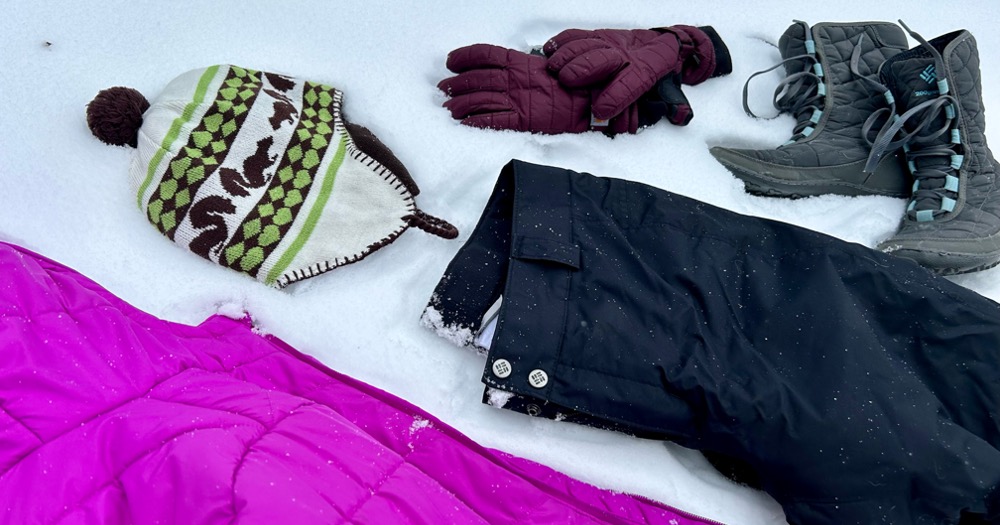
Winter is a fantastic time to get outside and look for signs of animals! We all know that there aren’t as many sources of food, water, and shelter during the winter, but somehow the animals are surviving. This is a wonderfully rich phenomenon that you can study with your kindergarteners and 3rd graders to apply their knowledge on animal needs and components of habitats.
In this episode, we’ll talk about activities to discover signs of animals in winter that are paired with Next Generation Science Standards for grades Kindergarten and 3rd grade. I’ll share the standard that inspired the activity, how the activity relates to animal needs and components of habitats, and descriptions of how to use the activity with your learners.
The following standards are paired with activities about animals in winter:
[0:00]
Teaching elementary-aged children is a rewarding experience, but as educators and parents, finding the time and resources to create engaging lessons can be a challenge. That's where this podcast comes in. Welcome to Naturally Teaching Elementary.
I'm Victoria Zablocki, a certified elementary teacher turned outdoor educator. With over a decade of experience coaching teachers on effective teaching methods, I'm passionate about teaching the whole child with authentic and place-based experiences in school and home settings. Join me as we explore our strategies for teaching with practical teaching tips, insightful interviews, picture book reviews, and more. So let's grow together.
Welcome back to the Naturally Teaching Elementary podcast. My name is Victoria Zablocki and I'm your host. So if you listen to “Episode 51: Adapting - Naturally Teaching Elementary Updates and Goals”, you heard me share that I'm restructuring how this podcast will be organized.
To save me time and to streamline the information for you, I'm planning on the first week of each month to be an episode about picture books that will help illustrate a particular natural phenomenon that could be investigated at that time of the year. The following three weeks of each month will be episodes about activities that are paired to sister grades following the Next Generation Science Standards; so kindergarten and third, first and fourth, and second and fifth.
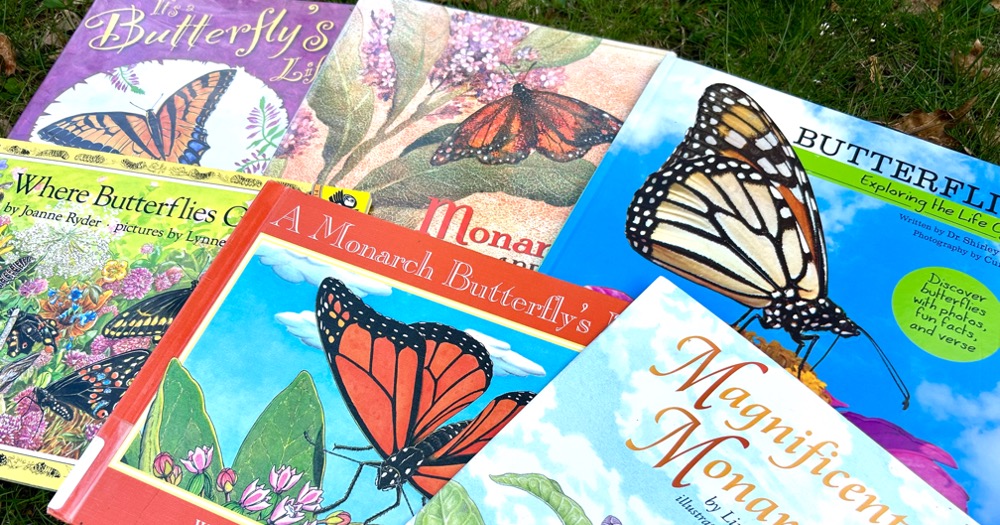
Last week in Episode 55, I shared six books about animals in winter and the clues they leave behind. This week, I'm excited to bring you the beginning of the activities to help you teach elementary learners of all ages about animals and what they do in the wintertime.
So in this episode, I'm going to describe activities for grades kindergarten and third, all about signs of animals in winter. For each activity, I'll share the Next Generation Science Standard that inspired that activity as well as the scientific phenomenon that the activity helps explain. Make sure that you listen through to the end of the episode because even though I've paired these activities to particular standards, you may find yourself inspired to use a similar concept for your curriculum or even use the same activity for a different grade.
Also, if you're new to taking your students outside for learning, check out “Episode 6: 5 Outdoor Education Safety Tips for Teaching Outside”, for suggestions to make teaching outside easier. Now let's get into these signs of animals' activities.
[2:13]
So for kindergarten, the Next Generation Science Standard that I pulled was K-ESS3-1: Use a model to represent the relationship between the needs of different plants and animals, including humans and the places they live. For this standard, and also for fostering curiosity in your kindergartners, I would suggest going on an animal signs hike.
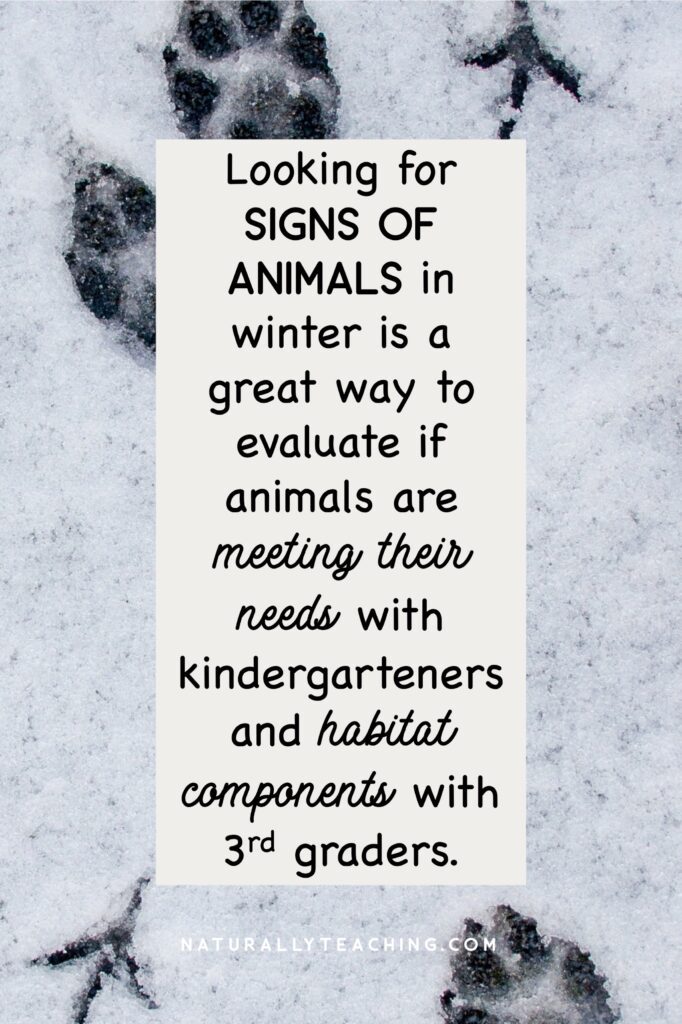
What I mean by this is going outside looking for signs that animals have been here, much like in those books from Episode 55. So when you look for signs of animals, your learners have to look very closely at nature and start to infer what they think happened based on the signs they find. Also, what's the best evidence that animals are getting everything they need to survive? Finding them or the clues they leave behind.
Tracks are a very easy animal sign to start with. If you're walking outside with your students and they find tracks, follow them. Where do the tracks lead? Do the tracks look deep? Was it a heavy animal that made them? Are they on top of the snow? Was it a light animal that made them? Do they look close together or far apart? What do you think that means?
As a disclaimer, I want to make sure that you know that you don't have to identify the tracks. Many teachers and homeschool parents are terrified to look for tracks because they don't know what made them, but I'm a firm believer that telling a child that you don't know something is very empowering. Many children think that adults know all of the answers and thus they need to get every question right.
However, if you as an adult admit that you don't know what animal made that track, it gives your children the permission they need to not be perfect. I will say though, follow up that exclamation with a prompt to work together to figure out the answer. This will help foster an understanding of lifelong learning in your children as well. Let's not just stop at, I don't know. Let's include encouragement to work together to figure it out.
Another easy-to-find animal sign that you can look for is scat, aka animal poop. Children love looking at poop. You of course will get all the exclamation of, “gross”, “eww”, “are we really doing this?” And more. But scat can tell you a lot about the animal that left it behind, and kids are here for it.
When looking at scat, you can ask, are there a lot of plant parts in the scat? Are there any animal parts? Is it big or small? Is it made of spheres or is it long and cylindrical? Is it brown, green, or black?
All these clues can get you closer to identifying who dung it and who is active in the wintertime. It can also help you identify one of the animal needs that this standard addresses, which is food. What are these animals finding to eat in the season of scarcity?
As a heads up, some kids may be too interested in scat, so I suggest being prepared to redirect their need to get real close and use the super scientific tool of a stick to poke and prod it if they must.
Some other signs to look for that don't immediately grab the onlooker's attention would be browse, which are places that plant eaters have nipped buds off of plants, think deer and rabbits. You could also look for buck rubs depending on the time of year.
You could look for holes in the snow and dirt, which could be squirrels digging up their cache from the fall, a bunch of small branch clippings under hemlocks, spruces, furs, pines, oaks, maples and elms, pinecone scales pulled off of pinecones and strewn in the snow, cocoons and logs or stuck to trees, praying mantis egg cases on stems, trees, fences or buildings, galls in the stems of wildflowers or tree branches…the list of animal signs is endless, but it's all good stuff for your budding scientists and their search for animal needs in winter.
This activity could also provide a great opportunity for science notebooking. Although it's challenging to write with mittens and gloves on, the animal signs they find outside are so interesting and rich that your students will likely enjoy drawing, labeling, and writing a story about their guesses as to what the animals were doing.
[5:59]
For third grade, the Next Generation Science Standard that I pulled was 3-LS4-3: Construct an argument with evidence that in a particular habitat, some organisms can survive well, some survive less well, and some cannot survive at all.
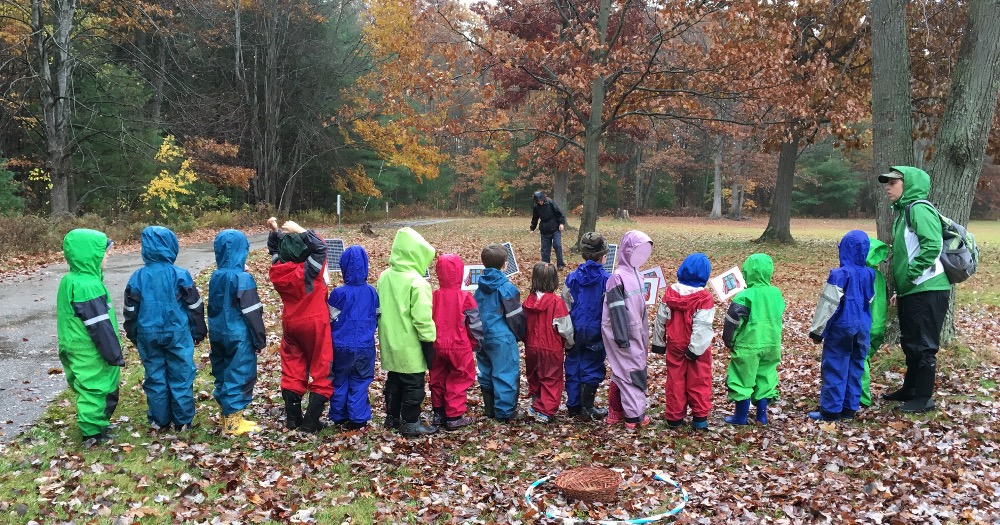
For third graders, I would also suggest going for a hike. But this time, instead of just looking for signs of animals, go for a habitat safari. What I mean by this is visit more than one “ habitat”. If you don't feel like you have more than one ecosystem at your school, I hear you. But you might be thinking about visiting a forest, a pond, and a field.
Instead, you could re-imagine what a habitat or an ecosystem looks like, and you could visit sidewalks, the empty flower beds around your school, the bushes that separate your school's property line from the next, a small patch of weeds, etc.
On your hike, go to the first habitat and share your exploration boundaries with the students. You'll want to use natural boundaries to give them visual and physical reminders of where they can explore. So again, natural boundaries include things like a line of bushes, the edge of a sidewalk, a fence line, the edge of woodchips, particular trees, that sort of thing.
And if your ecosystem is just a few bushes, you can skip this step since their observational space is easy to identify. After you give them their boundaries, remind them of your attention getter that will signal the end of the exploration time. Share your expectations with them.
They're exploring, looking for the parts of an animal's habitat, including food, water, space, and shelter, or materials to make shelters. They're also looking for signs that animals have been in the space, including tracks, scat, feathers, discarded food pieces, browse on the plants, etc. Again, since it's challenging for children to write with mittens and gloves on, I would suggest taking a recording sheet that you, the adult, can record their observations in each ecosystem.
You'll have to watch your students for hints that they've explored enough, including lost interest, egging other students on, straying from the group, what have you, and make sure to cut the exploration short before too many kiddos lose interest. After you've given them time to explore the space, use your attention getter to call them back to you.
Start with the components of the habitats. Where did they find food? Where did they find water? Did they find space and shelters or materials to make shelters? Record what they've said, then ask them about the signs of animals that they found and record those as well.
Visit at least one more ecosystem following the same order of events, sharing natural boundaries and coming back together with your attention getter to record the components of habitats and clues that animals have been in the space.
After you've finished visiting the habitats, go inside and look at your evidence. First, decide as a class how they define which habitat supported the most animals. Do they think it's the one that has the most tracks or the one that has the greater variety of different kinds of animals? However they define it, use that to help you look at the data they collected.
Look at the animal evidence first. Which of the habitats or ecosystems supported the most life? Which supported the least? How did they know?
Then take a look at their notes about the parts of habitats. Did they find the most food, water, shelter, and space in the habitat they found the most signs of animals? Did they find all of the components of habitats in all of the spaces you visited? If not, where did they think the animals were getting the missing components? Would all animals be able to find what they need in each ecosystem? Or would only certain animals find what they need in each space?
This activity will give your third graders the opportunity to do data collection, observation, and data analysis in your community in an authentic and interesting way.
And if you want to extend this activity, you could have your students create a model of one of your winter habitats. Remember, in the Next Generation Science Standards, a model can be any representation of a concept or phenomenon, including a drawing, a 3D model, a computer-generated representation, and more. If you want a pre-made recording sheet for designing a winter habitat for your animals, you could check out my teacher resource, “Over and Under the Snow Picture Book Companion for 3rd Grade”. It includes a variety of made-for-you activities to go along with the picture book Over and Under the Snow by Kate Messner, and includes activities like answering key questions, interpreting illustrations, a winter adaptation research project, an informational text writing, a winter animal observation, weather data collection, and more.
[10:11]
So in a nutshell, today we talked about activities for kindergarten and 3rd grade about signs of animals in winter. For kindergarten, we talked about going for an animal signs hike, looking around your schoolyard for clues left behind by animals that are meeting their survival needs. For 3rd grade, we talked about a habitat safari, where you take your learners out and visit multiple ecosystems, like sidewalks, empty flower beds, bushes, a weed patch, to look for components of animal habitats as well as signs of animals. Your students will collect, analyze, and interpret data from the different ecosystems.
And don't forget, if you're looking for more activities to study animal adaptations in winter for your third graders, check out my “Over and Under the Snow Picture Book Companion for 3rd Grade” for a made-for-you mini unit.
So thanks for taking time to listen today. I know you're busy and I truly appreciate the time you take to tune in. If you have any questions, wonderings, or signs of animals in winter activities that you do, get a hold of me on Instagram at Naturally.Teaching, or you can email me at victoria@naturallyteaching.com. And don't forget to check out the show notes for this episode and naturallyteaching.com/episode56, where I'll have all the links that I mentioned in the episode.
So thanks again for joining me today, and until next time, keep exploring, keep learning, and keep naturally teaching. Thank you so much for tuning in to today's episode of the Naturally Teaching Elementary Podcast. I hope you found it informative, inspiring, and full of actionable insights to enhance your teaching journey.
Connect with me on social media for more updates, science tidbits, and additional resources. You can find me on Instagram and Facebook at Naturally.Teaching. Let's continue the conversation and share our passion for teaching elementary-aged children together.
Don't forget to visit my website at naturallyteaching.com for all the show notes from today's episode. If you enjoyed today's episode, please consider leaving a review on your favorite podcast platform. Your feedback helps me improve and reach more educators like you.
Thank you again for listening, and until next time, keep exploring, keep learning, and keep naturally teaching.

0