
Naturally Teaching Elementary is a podcast designed for elementary teachers and homeschool educators who are passionate about teaching elementary aged children with authentic and place-based learning opportunities, nurturing the whole child and providing well-rounded education.
Join me each week as we explore practical strategies for teaching science in elementary school, discover the power of integrating science with literacy through captivating picture books, and uncover the magic of outdoor education and its link in teaching elementary aged children.
Check out the latest episode

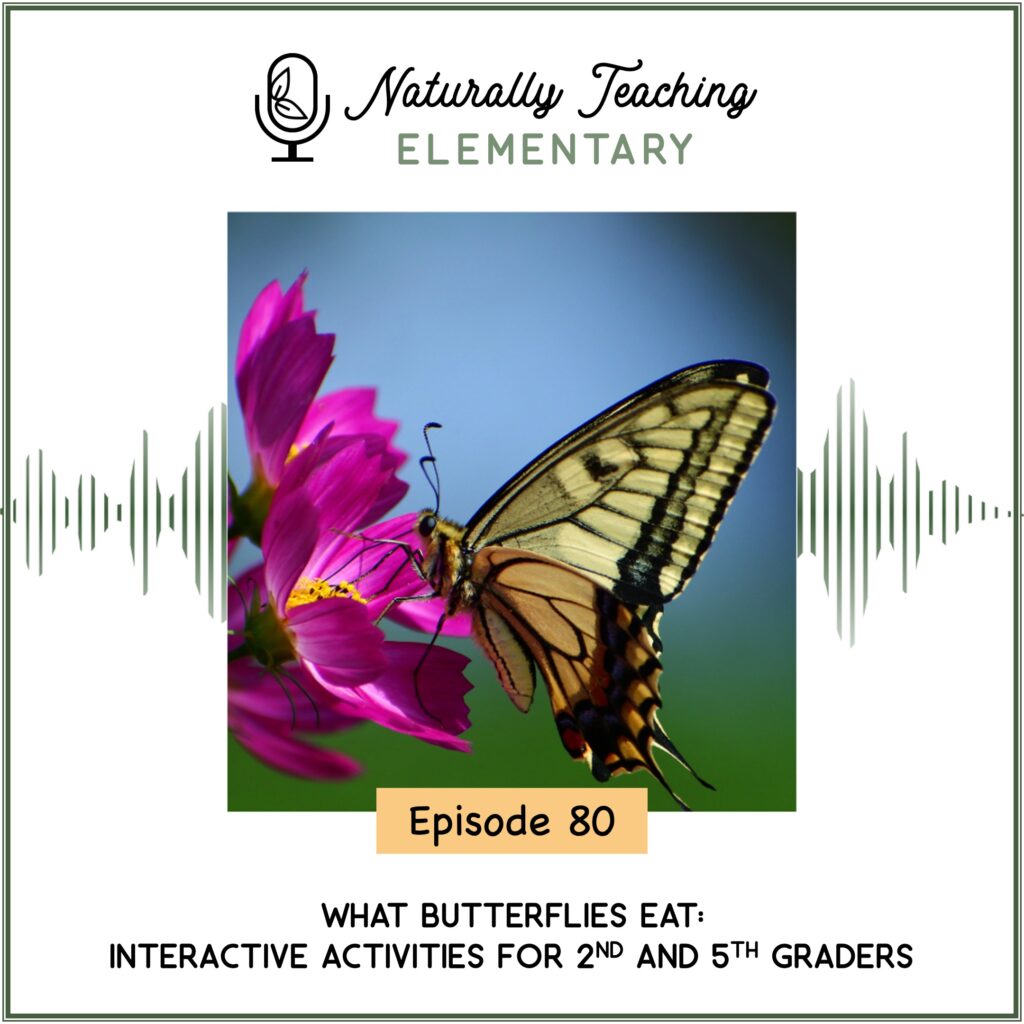
80. What Butterflies Eat: Interactive Activities for 2nd and 5th Graders – Naturally Teaching Elementary: A Podcast for Teachers and Homeschool Families
- 80. What Butterflies Eat: Interactive Activities for 2nd and 5th Graders
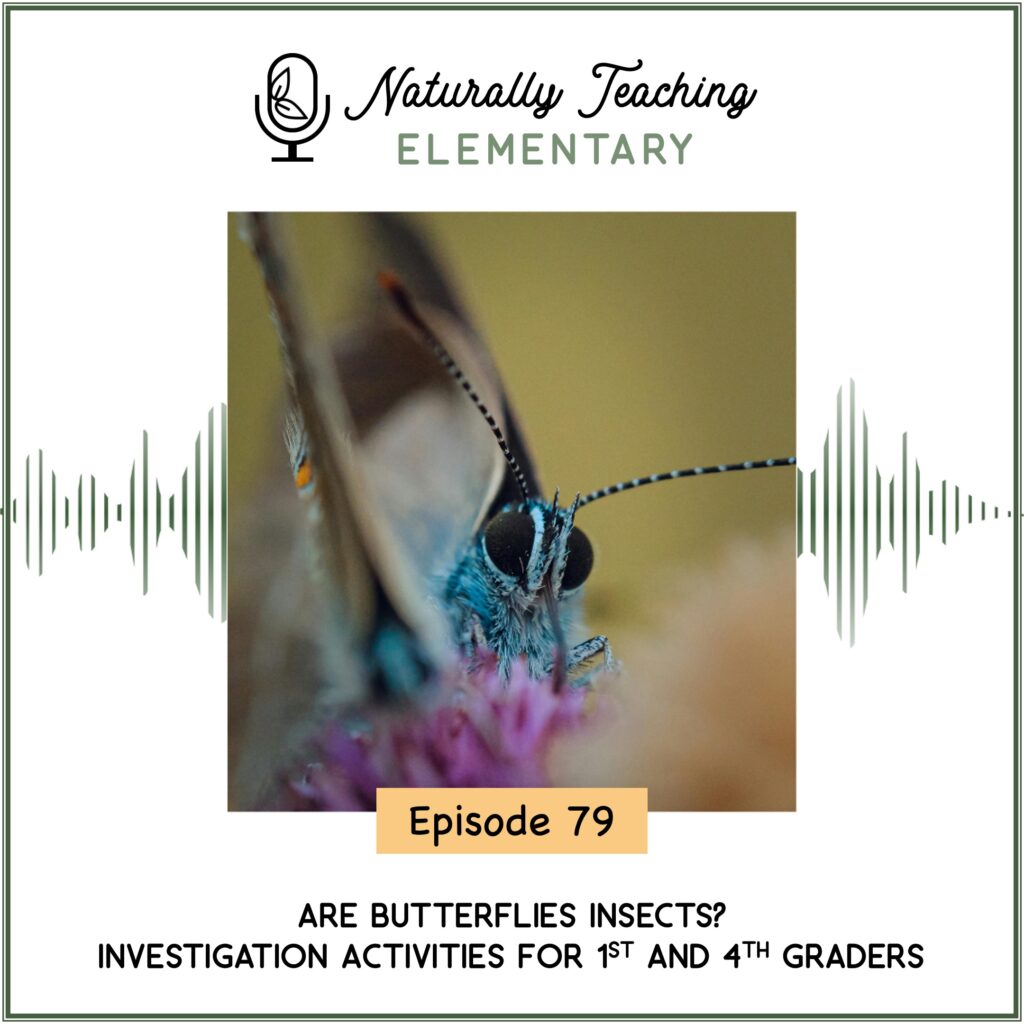
- 79. Are Butterflies Insects? Investigation Activities for 1st and 4th Graders
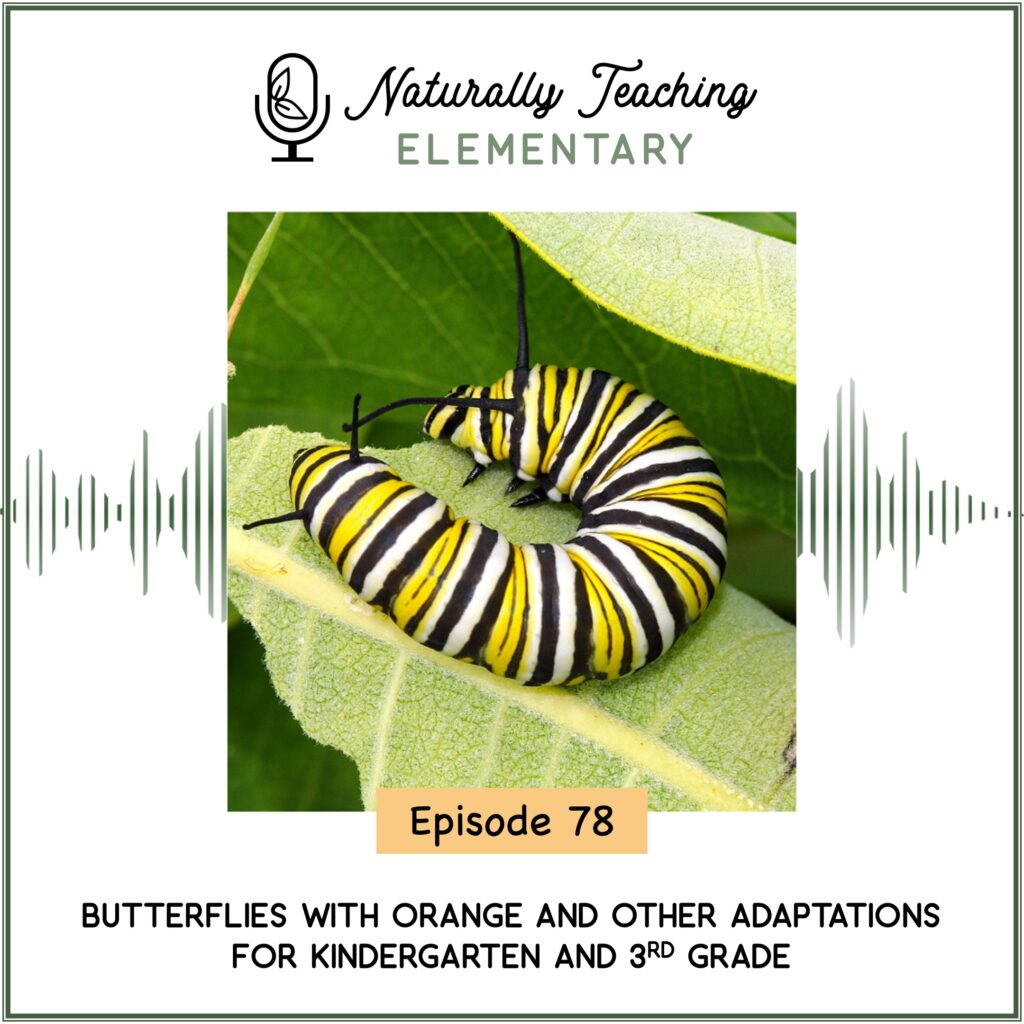
- 78. Butterflies with Orange and Other Adaptations for Kindergarten and 3rd Grade
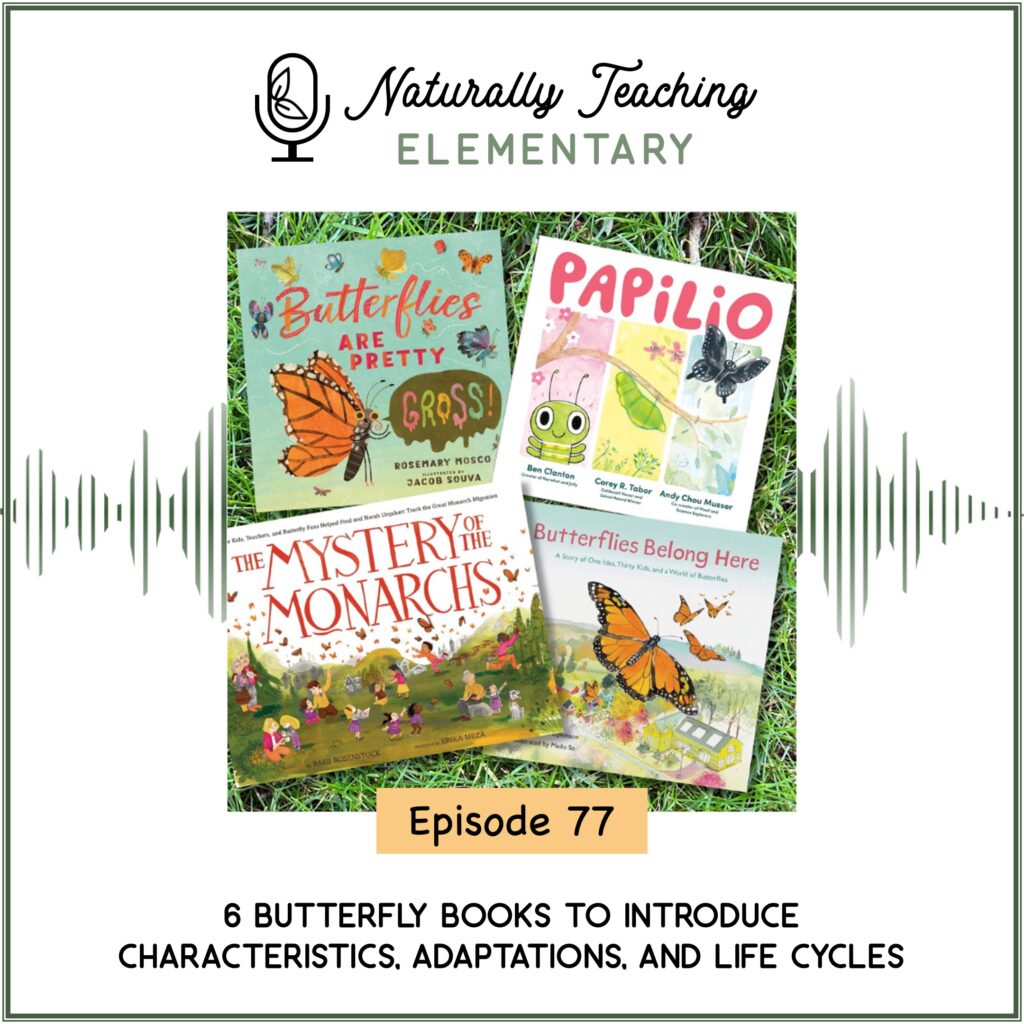
- 77. 6 Butterfly Books to Introduce Characteristics, Adaptations, and Life Cycles
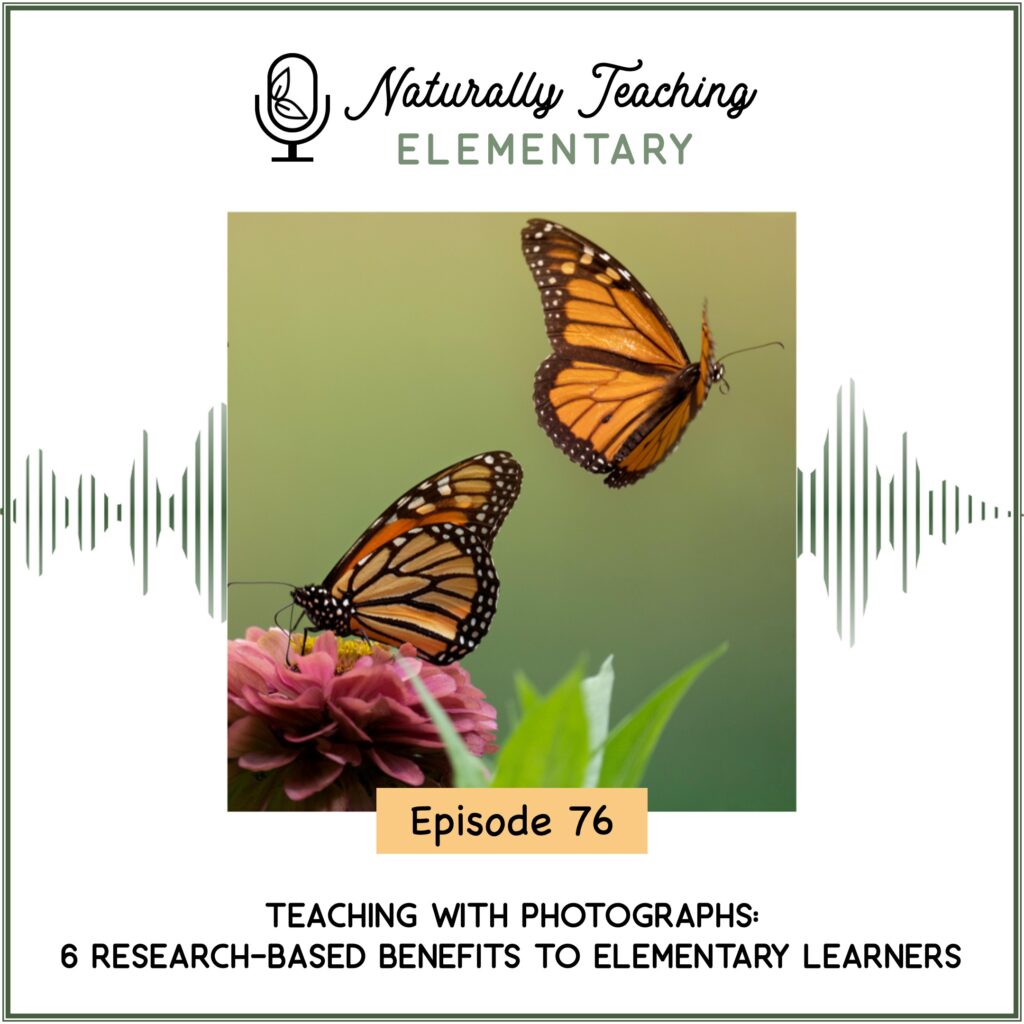
- 76. Teaching with Photographs: 6 Research-Based Benefits to Elementary Learners
Check out the recent episodes
![6 Picture Books About Characteristics of Amphibians and Reptiles [Ep. 68]](https://www.naturallyteaching.com/wp-content/uploads/2026/05/characteristics-of-amphibians-1024x1024.jpg)
![9 Fine Arts Examples of Vernal Pool and Frog Projects for Elementary-Aged Learners [Ep. 49]](https://www.naturallyteaching.com/wp-content/uploads/2025/04/fine-arts-examples.jpg)
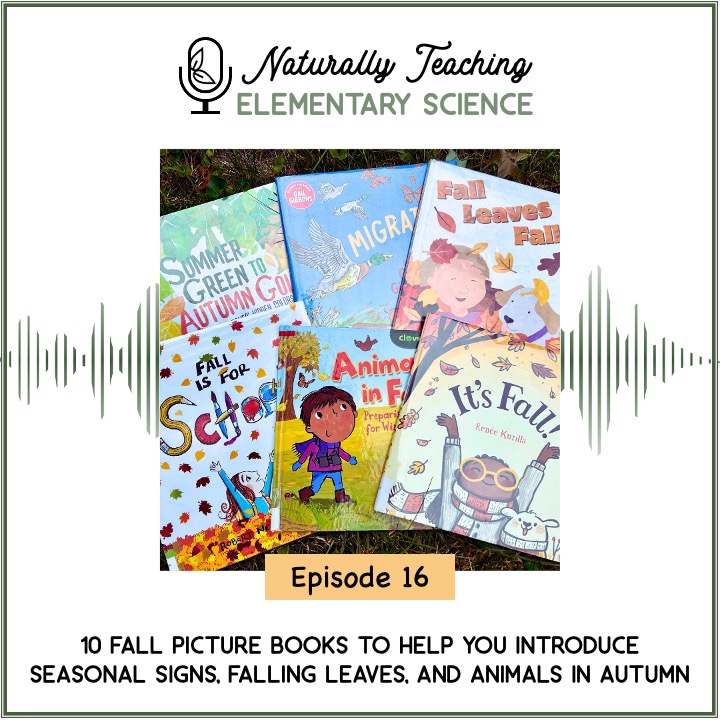
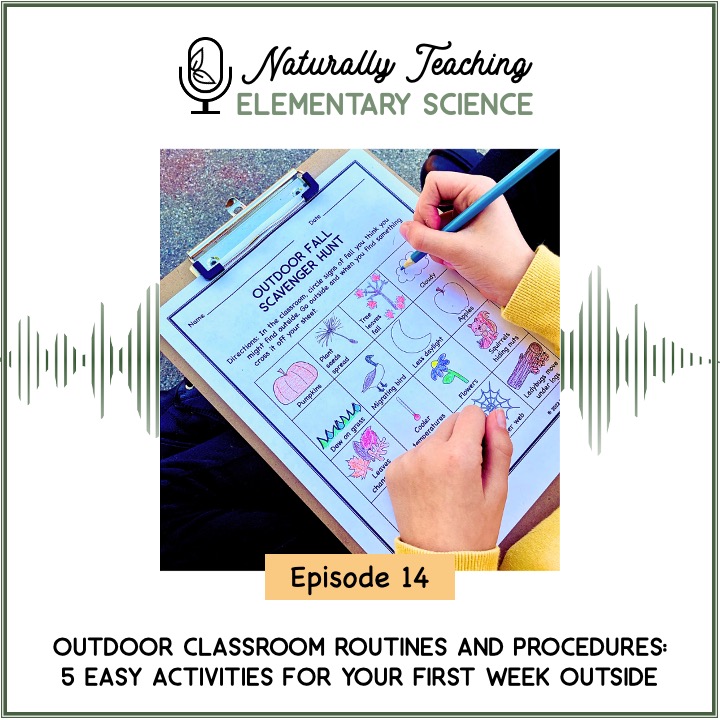
You can find me branching out on…
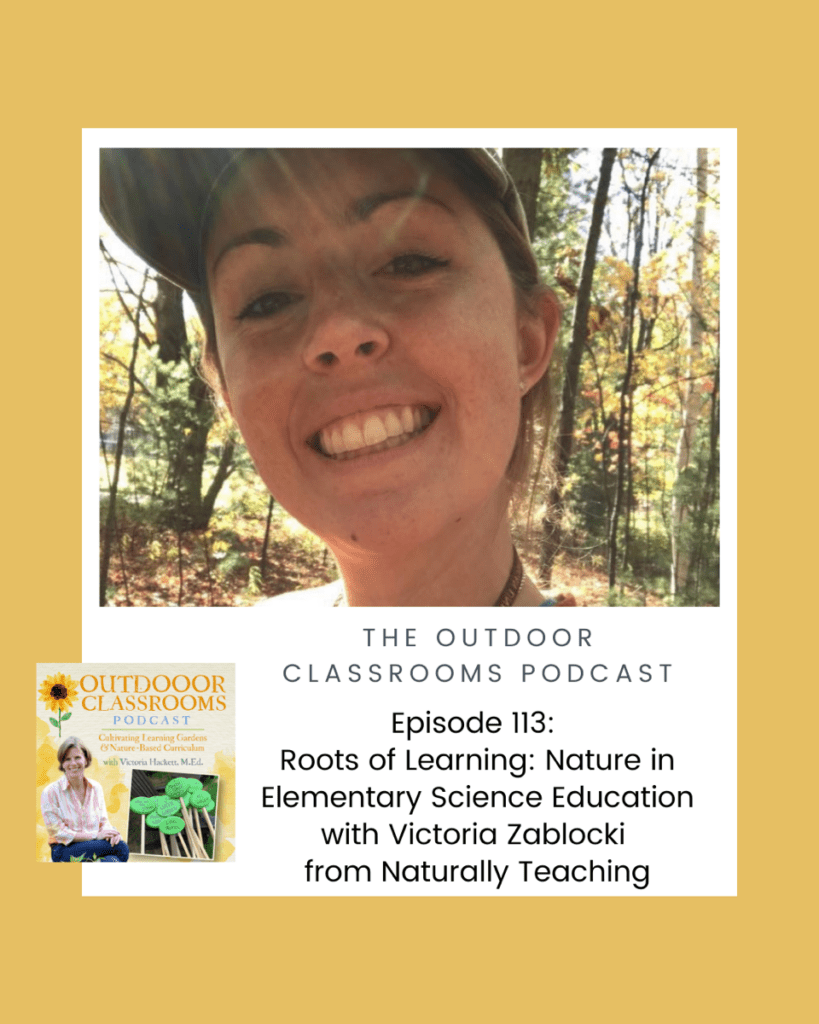

Meet your guide
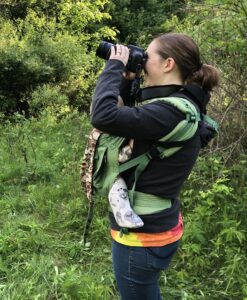
My name is Victoria Zablocki and I’m a former elementary educator turned outdoor educator with 10 years of experience integrating outdoor education into science learning. During my decade in the field, I coached teachers in public schools on how to accomplish their curricular goals in science with authentic and place-based experiences.
I’m continuing my coaching journey through this podcast by giving you confidence for teaching elementary-aged children in fun, engaging, and authentic ways. Each Monday I release a new episode that introduces effective science teaching methods, ways to integrate science and ELA, tips and tricks to leverage outdoor education, and ideas for math, art, and more.
Want to learn more? Check out my philosophy and see if we’re a good fit.
![Teaching with Photographs: 6 Research-Based Benefits to Elementary Learners [Ep. 76]](https://www.naturallyteaching.com/wp-content/uploads/2026/06/teaching-with-photographs-header.jpg)
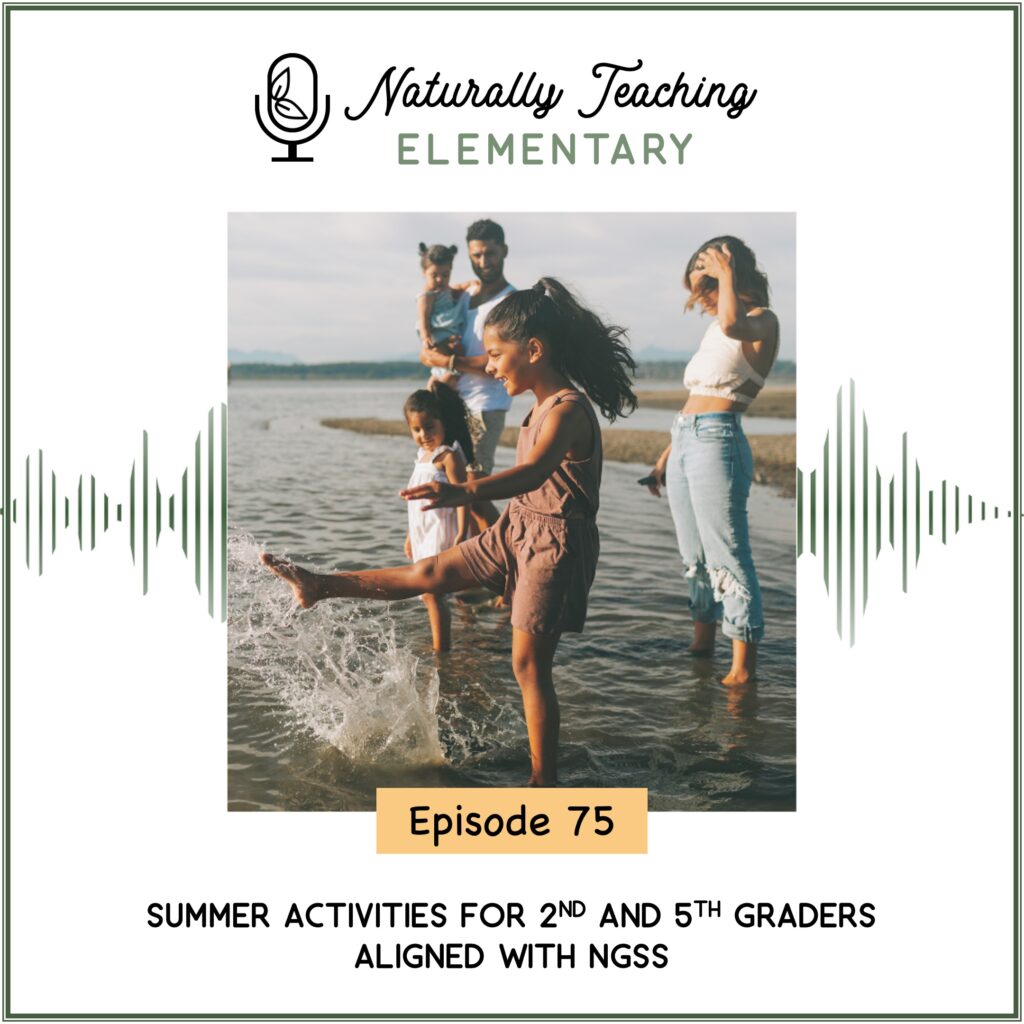
![Summer Activities for 2nd and 5th Graders Aligned with NGSS [Ep. 75]](https://www.naturallyteaching.com/wp-content/uploads/2026/06/summer-activities-header.jpg)
![What Butterflies Eat: Interactive Activities for 2nd and 5th Graders [Ep. 80]](https://www.naturallyteaching.com/wp-content/uploads/2026/07/what-butterflies-eat-header.jpg)
![Are Butterflies Insects? Investigation Activities for 1st and 4th Graders [Ep. 79]](https://www.naturallyteaching.com/wp-content/uploads/2026/07/are-butterflies-insects-header.jpg)
![How Flowers Attract Pollinators: 1st and 4th Grade NGSS Activities [Ep. 66]](https://www.naturallyteaching.com/wp-content/uploads/2026/04/how-flowers-attract-pollinators-header.jpg)
![9 Fine Arts Examples of Vernal Pool and Frog Projects for Elementary-Aged Learners [Ep. 49]](https://www.naturallyteaching.com/wp-content/uploads/2025/04/fine-arts-examples-header.jpg)