![Exploring Invertebrates: 10 Picture Books to Introduce Animal Characteristics [ep. 9]](https://www.naturallyteaching.com/wp-content/uploads/2024/07/exploring-invertebrates-books-header-300x200.png)
Science
Frogs and Toads Together: Why do Amphibians Group Up?April 11, 2025

An elementary teacher science blog
Heredity is the key to survival for animals in winter when there are lots of predators, not a whole lot of food, a ton of cold. Some animals adapt to survive winter, others migrate to a place that has the food they need, while others sleep all winter long. The role of heredity in survival is a wonderfully rich phenomenon that you can study with your 1st and 4th graders this winter, especially when you focus on winter animals and hibernation.
In this episode, we’ll talk about activities to investigate winter animals and hibernation that are paired with Next Generation Science Standards for grades 1st and 4th. I’ll share the standard that inspired the activity, how the activity relates to animal heredity and survival, and descriptions of how to use the activity with your learners.
The following standards are paired with activities about winter animals and hibernation:
[0:00]
Teaching elementary-aged children is a rewarding experience, but as educators and parents, finding the time and resources to create engaging lessons can be a challenge. That's where this podcast comes in. Welcome to Naturally Teaching Elementary.
I'm Victoria Zablocki, a certified elementary teacher turned outdoor educator. With over a decade of experience coaching teachers on effective teaching methods, I'm passionate about teaching the whole child with authentic and place-based experiences in school and home settings. Join me as we explore strategies for teaching with practical teaching tips, insightful interviews, picture book reviews, and more. So let's grow together.
Hey, everybody. Welcome back to the Naturally Teaching Elementary Podcast. My name is Victoria Zablocki and I'm your host. If you listened to last week's episode, “episode 56: Signs of Animals in Winter: Kindergarten and Third Grade Next Generation Science Standard Activities”, you heard a couple ideas for taking kindergartners and third graders outside to investigate the winter landscape looking for evidence that animals are getting the things they need to survive.
This week, we'll continue the theme of animals in winter, but more specifically, we'll focus on winter animals and hibernation in connection to first and fourth grade Next Generation Science Standards. First and fourth grade standards have heredity and its role in survival in common, and luckily, heredity plays a huge role in winter survival.
So, in this episode, I'm going to describe winter animals and hibernation activities for grades first and fourth. For each activity, I'll share the Next Generation Science Standard that inspired that activity as well as the scientific phenomenon that the activity helps explain.
And make sure that you listen through to the end of the episode because even though I've paired these activities to particular standards, you may find yourself inspired to use a similar concept for your curriculum or even use the same activity for a different grade.
Also, if you're new to taking your students outside for learning, check out “Episode 6: 5 Outdoor Education Safety Tips for Teaching Outside” for suggestions to make teaching outside easier. Now let's get into these winter animals and hibernation activities.
[2:05]
So for first grade, the Next Generation Science Standard that I pulled was 1-LS1-2: Read texts and use media to determine patterns and behavior of parents and offspring that help offspring survive. But before we get into the activity for first grade, I wanted to share a little about winter animals and hibernation. Sleeping during the winter is a widely used adaptation that animals pass from parent to offspring.
Animals that “sleep” through the winter are actually experiencing an altered state of function where their metabolisms are decreased dramatically and their systems are almost fully shut down. This allows them to use as little energy as possible to survive the season of scarcity. The different groups of animals have different levels and characteristics to their sleep, collectively known as dormancy.
Mammals that sleep through the winter can either hibernate or torpor, which are two different intensities of sleep, hibernation being the deepest and torpor being more variable. Reptiles and amphibians sleep through the winter in a state known as brumation, and insects can sleep during the winter in their different life stages but are all referred to as experiencing diapause. And even some birds like the Black-capped chickadee experience a deep sleep overnight referred to as torpor.
This is more for background information for you as the adult, not necessarily to share with your first graders. But if you're interested in hearing more about hibernation and other forms of sleep, you can tune in to “Episode 29: Hibernation in Animals: 6 Dormancy Activities for Elementary Teachers and Homeschool Groups”, where I explain a little bit more in the nature note in that episode. With that natural history out of the way, let's get in to the winter animals and hibernation activity for first graders.
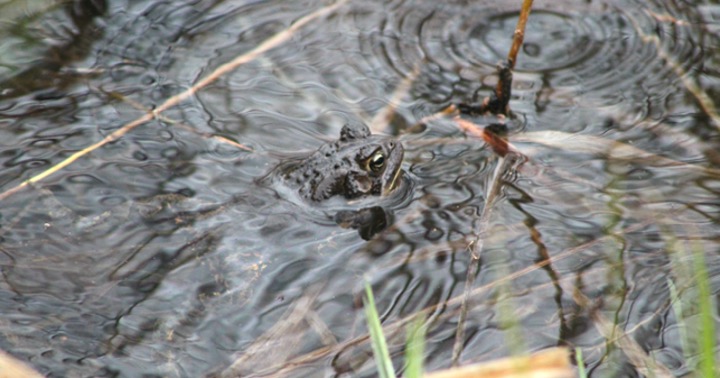
So since most first graders haven't been introduced to the concept of hibernation and other forms of dormancy, they're going to be unfamiliar with animals that sleep through the winter. Give them some background knowledge by having them sort animals that sleep all winter versus those that are active. Provide them with pictures of animals that are still active, like squirrels, foxes, rabbits, coyotes, hawks, owls, chickadees, cardinals, Blue jays, as well as animals that sleep all winter, including turtles, frogs, woodchucks, bats, ladybugs, Mourning Cloak butterflies, and more.
Since this is an introductory activity, help them out with pictures of these animals in the wintertime if they're active, so in the snow or in like that dreary-looking weather so that it's clear that they're awake and moving during the winter. And then for the animals that are sleeping, having a picture of them sleeping would be most helpful. And as a side note, providing them with a variety of types of animals that are active as well as asleep will help prevent them from developing naive conceptions that all birds or all mammals sleep all winter long or on the flip side are all awake during the winter.
And if you'd like an already made-for-you sort, check out my Animal Hibernation, Asleep or Awake Sort on Teachers Pay Teachers or through the link in the show notes to help you save some time. Once your learners have gotten a chance to sort the animals, take a look at the characteristics of the animals that are active and see if there is anything they have in common. Do they have colors that are the same?
Do they have foods that they eat that are similar? Are they awake during the same time of the day, etc.? Then take a look at the animals that sleep all winter long and ask similar questions.
This sort of evaluation and pattern seeking can help them develop a better understanding of the characteristics passed from parents to their offspring to help with survival. Lastly, ask them if they think animals that were born this year will sleep like their parents did last year, or if the animals born this year will stay awake like their parents did last year. This will help you gauge where they're out with the heredity piece of this study.
After they've gotten a chance to familiarize themselves with animals that sleep during the winter, I suggest taking your first graders outside to confirm that they're not finding evidence of these animals in your area. You could either do this activity as a guided hike where everyone walks together along the sidewalk or down a trail looking for evidence of animals. Or you could do this as a free exploration activity where you the adult provides exploration boundaries and the kids explore the space looking for evidence of animals left behind.
Have them try to figure out what tracks they're finding, what scat they're finding, what feathers they're finding, the bird songs they're hearing, etc. Then they can use that evidence to decide if the animals that are awake should in fact be awake or if they should actually be asleep. And that will help confirm what they learned through the sort.
[6:30]
The Next Generation Science Standard that I pulled for fourth grade is 4-LS1-1: Construct an argument that plants and animals have internal and external structures that function to support survival, growth, behavior, and reproduction. So winter is a time of struggle for all animals, whether they're plant eaters or meat eaters.
Generally though, when we think of struggling animals in winter, we often think about rabbits, deer, squirrels, you know, the animals that have a hard time finding plants to eat. However, meat eaters are struggling just as much because their food is also more challenging to find in the winter than any other time of the year. So give your fourth graders the chance to role play being predators in nature by going on a “ animal hunt”, looking for animals that they could catch if they were a fox, coyote, hawk, owl, and more.
You can either preface this hike with some background information about how animals change for the winter, and how they may have a hard time finding food due to the color change, migration, hibernation, or behavioral changes. Or you could go out for the hike first and then have them surmise the changes animals make based on their observations. I personally favor the idea of the second method, so I'm going to explain this activity with the frame of mind that the learners will go out into the wild as predators without the knowledge that the animals have changed from fall to winter.
So to make this activity happen, share with the learners that they'll be predators looking for prey to eat during the winter. Take them out to your exploration space and share with them their boundaries using natural boundaries such as logs, trees, fence lines, wood chips, etc. If you're very familiar with your exploration space because you visit it often, you could remind them of the boundaries while you're inside, so that you and your group can make your way outside as quietly as possible so as not to scare away your prey.
Once there, give them time to explore their space looking for animals or the clues they left behind. Once they've had a certain amount of time to look for animals to eat, have them return to you using your attention getter. If they aren't frozen yet, you could have them share what they found and if they'd like to, have them bring everyone over to their findings to show off their observation skills.
Once you've shared, head back inside and talk about what they found. Did they find a lot of animals? Why do they think that they found a lot? Or if they didn't, why do they think they didn't find a lot? What sort of animals caught their attention? Did they see brightly colored birds like Cardinals and Blue jays?
Why were those easier to spot than say a Chickadee or a Titmouse? Did they see any small mammals like mice or voles? Did they find a rabbit or a snowshoe hare?
Why do they think they found the animals that they found? After you've piqued their interest, you could have each child select an animal that they thought they would find or that they did in fact find while they were exploring, and have them research what they do in the wintertime. You will likely have a mix of answers.
Maybe some of the animals they thought they'd see were actually sleeping. Maybe they change color and it makes them more camouflaged over the wintertime. Maybe they use the subnivean layer to move around in the winter.
Maybe they migrate because they eat nectar from flowers, and your area doesn't have flowers in the winter. This investigation can bring to light a lot of the ways that animals adapt their body for winter, both with internal and external structures.
[9:46]
So in a nutshell, today we talked about activities for first and fourth grade about winter animals and hibernation. For first grade, we talked about doing an animal sort for animals that stay awake in the winter and sleep all winter, and then looking for evidence of those animals outside. For fourth grade, we talked about your learners role-playing predators looking for prey animals in nature and noticing what they have in common, and then doing a short research project on a local animal.
And don't forget, if you're looking for a made-for-you sort, check out my Animal Hibernation Asleep or Awake Sort for first grade. I also have a Hibernation Preparation Movement Cube for first grade to include movement in your learning, an Animal Migration Sort if you'd like to sort sleeping animals and migrating animals, as well as a Winter Animal Adaptation Sort, where you can have your learners sort hibernation, migration, and awake animals as a great review for the unit.
So thanks for taking time to listen today. I know you're busy and I truly appreciate the time you take to tune in. If you have any questions, wonderings, or winter animal and hibernation activities that you use, get a hold of me on Instagram and naturally.teaching, or you can email me at victoria@naturallyteaching.com. Don't forget to check out the show notes for this episode and naturallyteaching.com/episode57, where I'll have all the links for the different resources that I talked about today. So thanks again for joining me today.
Until next time, keep exploring, keep learning, and keep naturally teaching. Thank you so much for tuning in to today's episode of the Naturally Teaching Elementary Podcast. I hope you found it informative, inspiring, and full of actionable insights to enhance your teaching journey.
Connect with me on social media for more updates, science tidbits, and additional resources. You can find me on Instagram and Facebook at Naturally.Teaching. Let's continue the conversation and share our passion for teaching elementary-aged children together.
Don't forget to visit my website at naturallyteaching.com for all the show notes from today's episode. If you enjoyed today's episode, please consider leaving a review on your favorite podcast platform. Your feedback helps me improve and reach more educators like you.
Thank you again for listening, and until next time, keep exploring, keep learning, and keep Naturally Teaching.

0